
Sold out

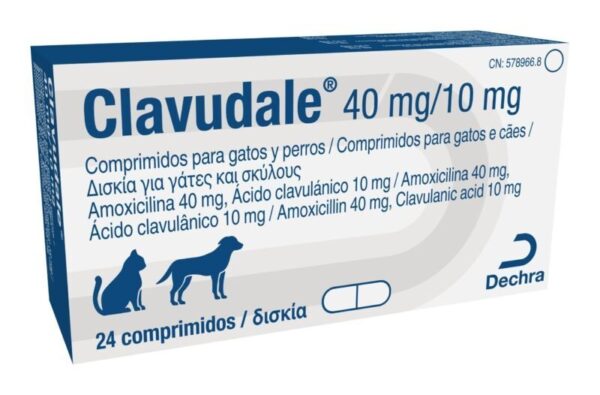

CLAVUDALE 40MG/10MG 24 TABLETS | ANTIBACTERIAL FOR DOGS AND CATS
30,16 €
CLAVUDALE For the treatment of bacterial infections susceptible to amoxicillin in combination with clavulanic acid.
Out of Stock
Description
CLAVUDALE Tablets for Dogs and Cats Aantibacterial in tablets
Pharmaceutical form
Oral tablet (Comp.o.)
Composition by tablet:
Clavudale 40/10: Amoxicillin 40 mg and clavulanic acid 10 mg
Clavudale 200/50: Amoxicillin 200 mg and clavulanic acid 50 mg
Clavudale 400/100: Amoxicillin 400 mg and clavulanic acid 100 mg
Pharmacological properties
Pharmacotherapeutic group: beta-lactam antibacterials, penicillins.
ATCvet code: QJ01CR02.
Pharmacodynamic properties: Amoxicillin is an aminobenzylpenicillin from the beta-lactam penicillin family, which prevents the formation of the bacterial cell wall by interfering with the final step of peptidoglycan synthesis.
Clavulanic acid is an irreversible inhibitor of intracellular and extracellular beta-lactamases that protects amoxicillin from inactivation by different beta-lactamases.
Amoxicillin, in combination with clavulanic acid, has a wide range of activity, including both Gram ( ) and Gram ( ), facultative anaerobes, and obligate anaerobes beta-lactamase-producing strains, such as:
Gram ( ) with good sensitivity: Clostridium spp., Corynebacterium spp., Staphylococcus spp., Streptococcus spp.
Gram ( ) with good sensitivity: Pasteurella spp., Bacteroides spp., Proteus mirabilis.
Gram ( ) with variable sensitivity: Escherichia coli.
Patterns of susceptibility and resistance may vary with geographic area and bacterial strain, and may change over time.
Amoxicillin/Clavulanic Acid Breakpoints (NCCLS/2012):
Staphylococci: Sensitive: MIC <4/2 µg/ml, resistant: MIC >8/4 µg/ml.
Other organisms: Susceptible: MIC <8/4 µg/ml, resistant: MIC >32/16 µg/ml.
The two main mechanisms of amoxicillin/clavulanic acid resistance are:
Inactivation by beta-lactamases that are not inhibited by clavulanic acid, including classes B, C, and D.
Alteration of penicillin-binding proteins (PBPs), which reduce the affinity of the antibacterial agent for the target (methicillin-resistant S. aureus, MRSA, and methicillin-resistant S. pseudintermedius, SPRM).
The impermeability of the bacteria or the mechanisms of efflux pumps can cause or contribute to bacterial resistance, especially in Gram bacteria ( ). Resistance genes can be located on chromosomes (mecA, MRSA) or plasmids (LAT, MIR, ACT, FOX, CMY family beta lactamases) and various resistance mechanisms have emerged.
Pseudomonas aeruginosa and Enterobacter spp. they can be considered intrinsically resistant to the combination.
Pharmacokinetic data: Following oral administration to dogs of the recommended dose of 10 mg amoxicillin/2,5 mg clavulanic acid/kg body weight, the following parameters were observed:
Mean Tmax for amoxicillin: 1,5 hours.
Mean Tmax for clavulanic acid: 1,0 hours.
Amoxicillin is well absorbed after oral administration. In dogs, systemic bioavailability is 60-70%. Amoxicillin (pKa 2,8) has a relatively small apparent volume of distribution, low plasma protein binding (34% in dogs), and a short terminal half-life due to active tubular excretion by the kidneys. After absorption, the highest concentrations are found in the kidneys (urine) and bile, and then in the liver, lungs, heart, and spleen. The distribution of amoxicillin to the cerebrospinal fluid is low, unless the meninges are inflamed.
Clavulanic acid (pKa 2,7) is also well absorbed after oral administration. Penetration to the cerebrospinal fluid is low. Plasma protein binding is approximately 25%, and the elimination half-life is short. Clavulanic acid is primarily eliminated by renal excretion (unchanged in urine).
Indications
Dogs and Cats: For the treatment of bacterial infections caused by microorganisms sensitive to amoxicillin in combination with clavulanic acid, when clinical experience and/or sensitivity tests indicate that the veterinary drug is the drug of choice.
Uses include:
Skin infections (including deep and superficial pyodermas) associated with Staphylococcus spp. and Streptococcus spp.
Infections of the oral cavity (mucous membrane) associated with Clostridium spp., Corynebacterium spp., Staphylococcus spp., Streptococcus spp., Bacteroides spp. and Pasteurella spp.
Urinary tract infections associated with Staphylococcus spp., Streptococcus spp., Escherichia coli and Proteus mirabilis.
Respiratory tract infections associated with Staphylococcus spp., Streptococcus spp. and Pasteurella spp.
Gastrointestinal infections associated with Escherichia coli and Proteus mirabilis.
Route of administration
Orally.
Wait time
Not applicable.
conservation mode
Do not store at temperatures above 25 °C.
Divided tablets should be kept in the blister pack.
Comments
Medicine subject to a veterinary prescription.
Additional Information
| Weight | 0,200 kg |
|---|---|
| Dimensions | 10x10x10 cm |
Reviews (68)
Only registered users who have purchased this product may make a review.
Shipping & Delivery
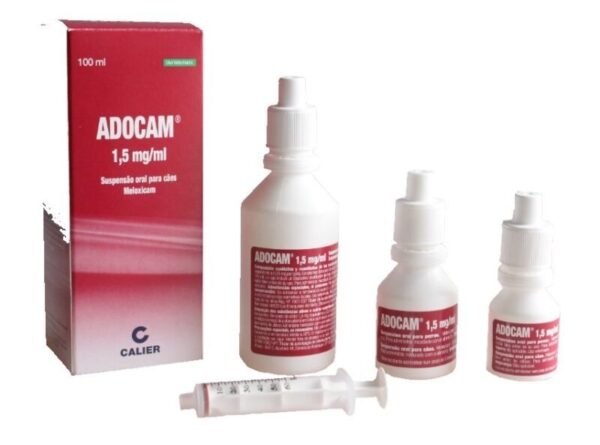
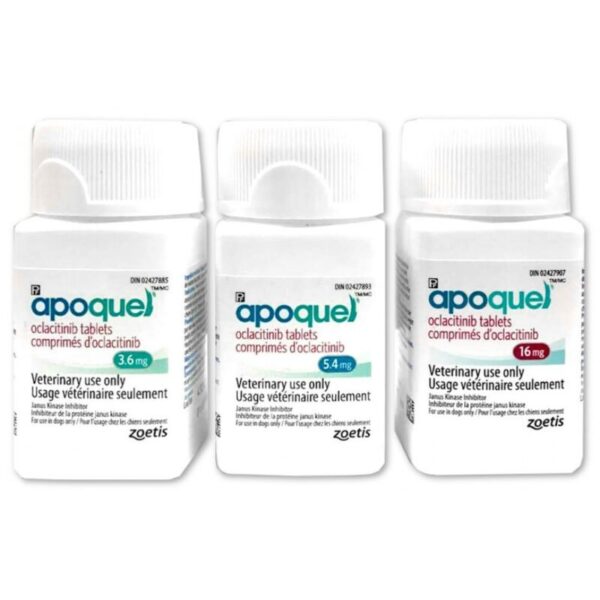
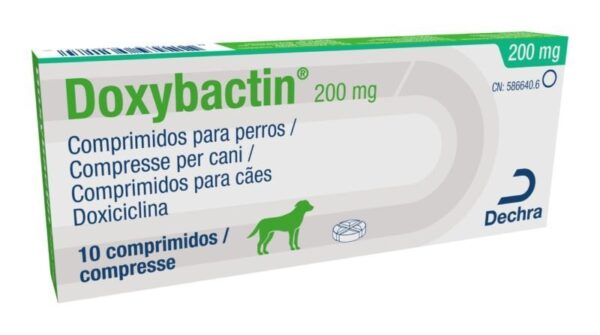




68 valuations CLAVUDALE 40MG/10MG 24 TABLETS | ANTIBACTERIAL FOR DOGS AND CATS
Not yet reviewed